If you’ve ever tried to source roofing supplies in Sydney on a tight deadline, you already know the problem isn’t finding a supplier — it’s finding one you can actually rely on. Between inconsistent stock levels, confusing pricing structures, and delivery windows that never seem to match the job schedule, sourcing materials can eat up hours you don’t have.
This guide breaks down exactly what to look for in a Sydney roofing supplier, the difference between retail and trade purchasing, and the mistakes that cost tradies and builders time and money — so you can spend less time chasing materials and more time on the tools.
What Counts as "Roofing Supplies"?
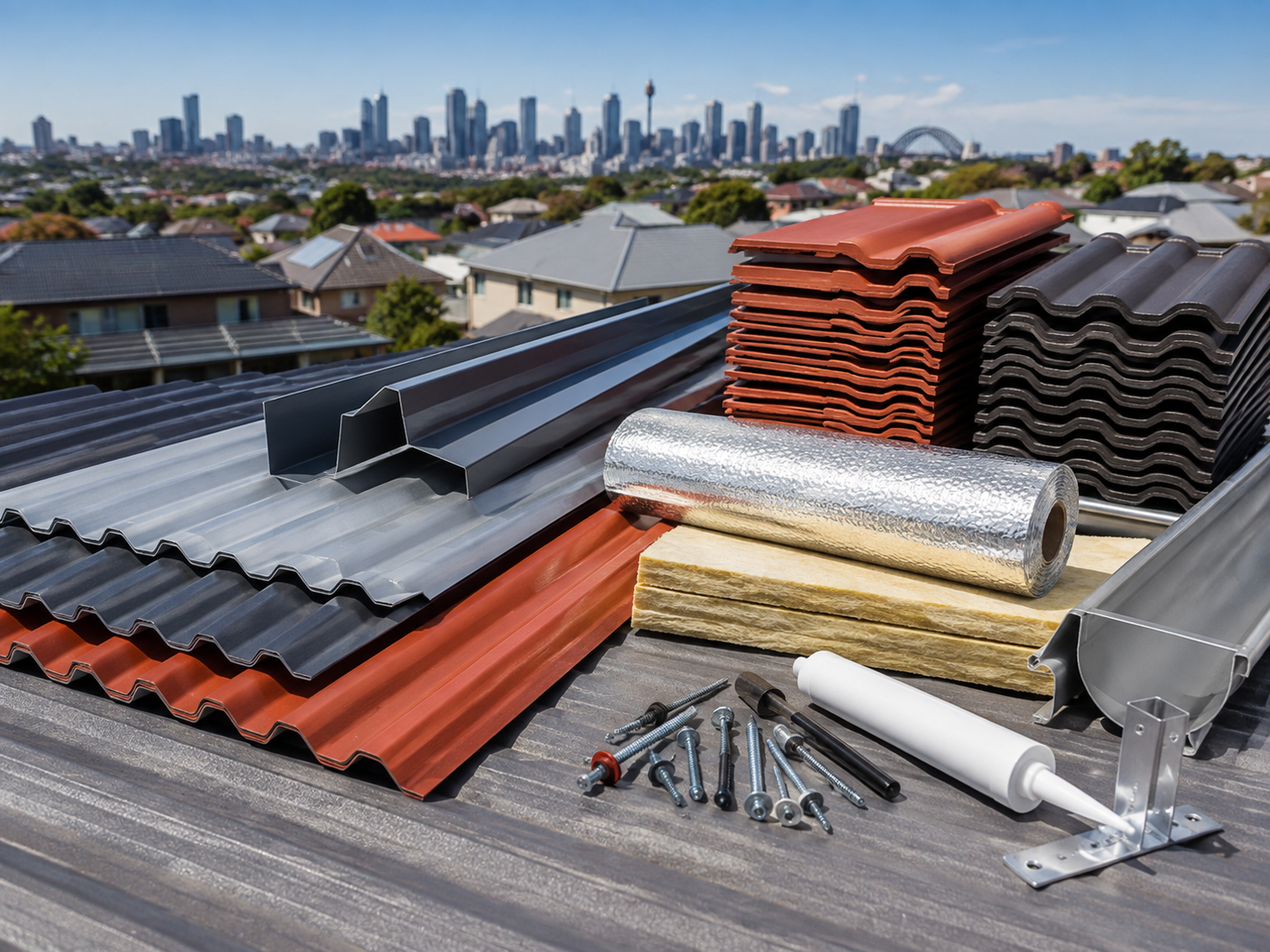
“Roofing supplies” covers a broad range of materials, and most jobs need more than just sheeting. A typical order might include:
- Roof sheeting — Colorbond, zincalume, or corrugated steel
- Roof tiles — concrete or terracotta
- Flashing and capping — ridge caps, barge capping, valley flashing
- Insulation — sarking, blanket insulation, foil
- Fasteners and fixings — roofing screws, batten screws, rivets
- Sealants and adhesives — silicone, roof and gutter sealant
- Guttering and downpipes
- Safety equipment — harnesses, roof anchors, edge protection
Knowing what you actually need before you call around saves time — and helps you spot a supplier that stocks the full range versus one that’s going to send you to three different places.
What to Look for in a Sydney Roofing Supplier
Stock availability and lead times
Sydney’s building activity means popular materials — particularly Colorbond in common colours — can go in and out of stock quickly. Ask any supplier directly what their current lead time looks like rather than trusting a generic “in stock” listing online.
Trade pricing and bulk discounts
Retail pricing and trade pricing are usually two very different conversations. If you’re ordering regularly, it’s worth asking about volume discounts, account terms, and whether pricing is locked in for the duration of a job or subject to change.
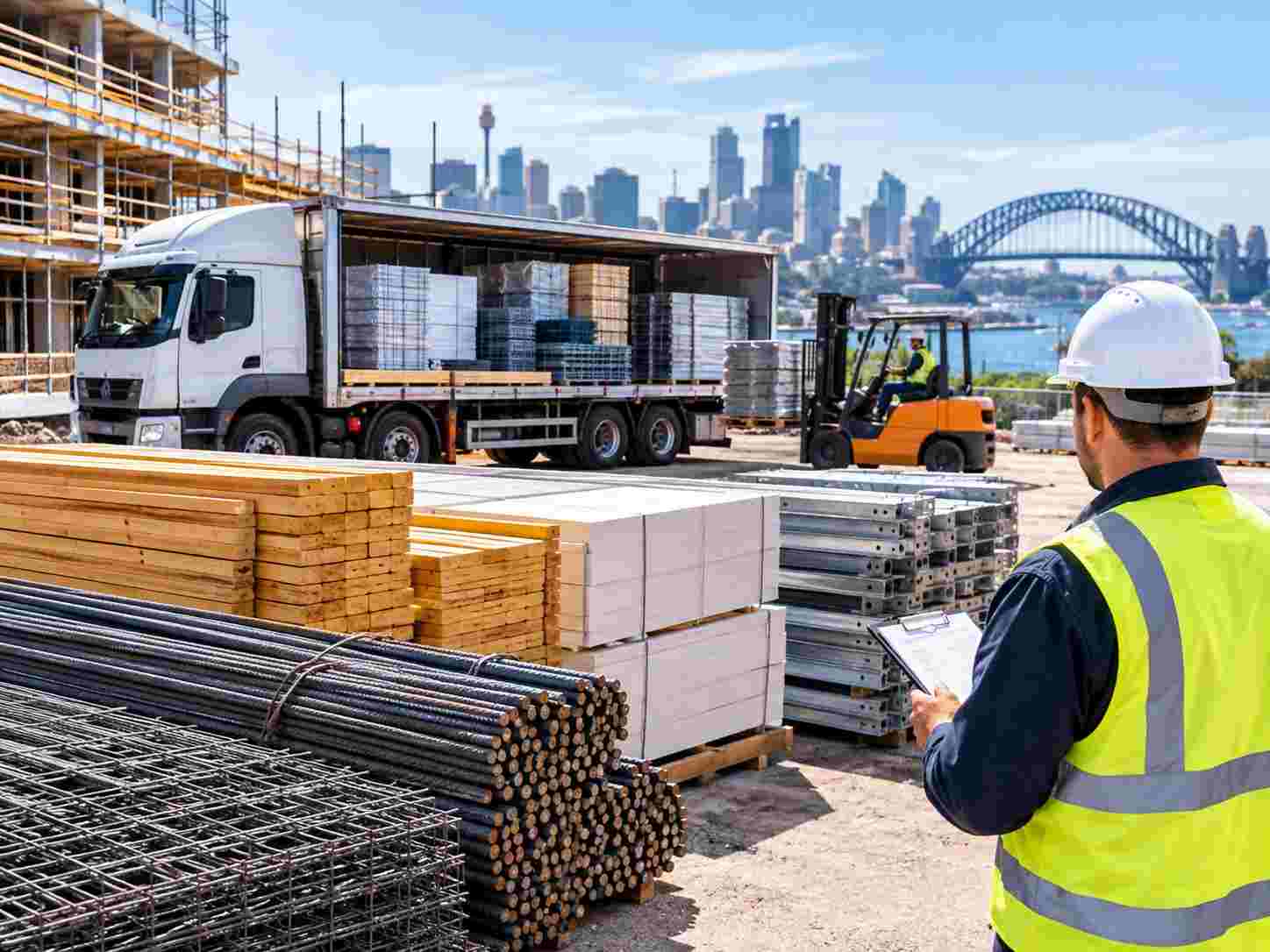
Delivery across Greater Sydney
Delivery coverage matters more than people expect. A supplier based in the inner west might have great pricing but slow or costly delivery out to the Blue Mountains, Sutherland Shire, or the Hills District. Confirm delivery zones and timeframes before you commit, especially for time-sensitive jobs.
Product range
A supplier who stocks sheeting, tiles, flashing, insulation, and fixings under one roof means fewer separate orders, fewer delivery windows to coordinate, and fewer chances for something to fall through the cracks.
Compliance with Australian Standards
Roofing materials sold in Australia should meet relevant standards — for example, AS 1562 for sheet roof and wall cladding, and AS/NZS 2050 for tiling. A reputable supplier will be able to confirm compliance documentation on request, which matters for both safety and council sign-off.
Retail vs Trade Accounts — Which Should You Use?
If you’re an occasional buyer — say, a homeowner doing a small repair — a standard retail purchase is usually fine.
If you’re ordering regularly as a builder, contractor, or roofing business, a trade account is almost always worth setting up. Trade accounts typically offer:
- Discounted pricing on repeat orders
- Priority stock allocation during high-demand periods
- Simplified invoicing (useful at tax time)
- A dedicated point of contact instead of starting from scratch each order
The setup process is usually quick — most suppliers just need your ABN and some basic business details.
Common Mistakes Sydney Buyers Make When Sourcing Roofing Supplies
Underestimating quantities. Running short mid-job means a second delivery, a delay, and sometimes a colour-match issue if stock has changed. Always order with a small buffer.
Ignoring warranty terms. Not all roofing materials carry the same warranty, and installation method can affect whether a warranty is valid at all. Check this before, not after, the job is done.
Not accounting for coastal conditions. Sydney’s coastal suburbs deal with higher salt exposure, which affects material choice and fastener grade. What works fine in Penrith might corrode faster in Cronulla or Manly.
Choosing on price alone. The cheapest quote isn’t always the cheapest job once you factor in delays, callbacks, or materials that don’t meet spec.
Why Choose Building Gear for Roofing Supplies in Sydney
At Building Gear, we work with tradies, builders, and homeowners across Greater Sydney to make sourcing roofing materials straightforward — not another job to manage. That means a broad in-stock range, clear trade pricing, and delivery that’s built around real job timelines, not best-case estimates.
Frequently Asked Questions
How much do roofing supplies cost in Sydney?
Costs vary significantly depending on material type, quantity, and whether you’re buying retail or trade. Sheeting and tiles are typically priced per square metre, while fixings and accessories are priced per unit or box. Getting a quote based on your specific job spec is the most accurate way to budget.
Do I need a trade account to buy in bulk?
Not always, but it usually makes bulk buying cheaper and simpler. Most suppliers allow bulk retail purchases too — a trade account just adds ongoing pricing and account benefits.
What's the best roofing material for Sydney's climate?
It depends on location within Sydney. Coastal areas generally need higher corrosion-resistant materials and fixings, while inland areas have more flexibility. Colorbond and quality concrete tiles both perform well across most of the metro area when specified correctly.
How fast is delivery in Sydney metro?
This varies by supplier and current stock levels — always confirm current lead times directly rather than relying on general estimates, especially during peak building season.