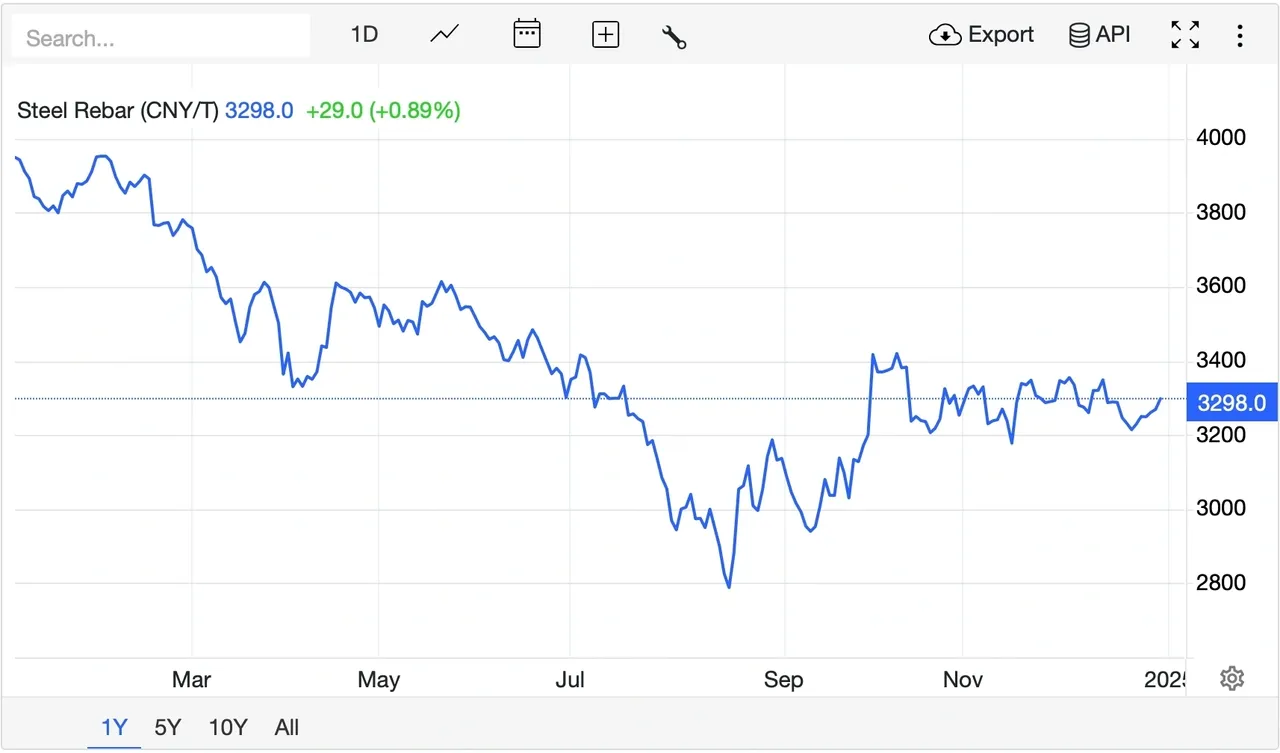
Steel rebar futures were set to close the year below the CNY 3,300 per tonne threshold, a 17% plunge since last December as the deterioration in the Chinese economy cut demand for ferrous metals as steel rebars in construction, and foils in manufacturing and appliances. The county’s economic decline mainly stemmed from the worsening of its ongoing property crisis, with housing prices declining by nearly 6% in October despite key government support.
Yet despite declines in Chinese demand and lower year on year pricing three factors are set to keep steel reinforcing prices where they are in early 2025 within Australia. These three factors are:
1. A declining Australian Dollar, which makes steel imports more expensive. As we enter the closing stages of 2024, AUD/USD is trading nearly 9% below its starting point for 2024 (around 0.6810) and is poised for its weakest yearly close since the challenging days of the Covid-19 pandemic in 2020. This is a major factor given close to half of all the steel reinforcing used on building sites is imported these days. Let’s not forget a weaker Australian dollar increases the cost of imported goods such as steel reinforcing, which can contribute to inflation. Therefore the Reserve Bank may not cut interest rates in Australia as quickly or as much as expected in 2025, leading to potentially weak demand for steel her as well as in China, due to a slowing economy. This may provide consumers with some relief against otherwise rising prices.
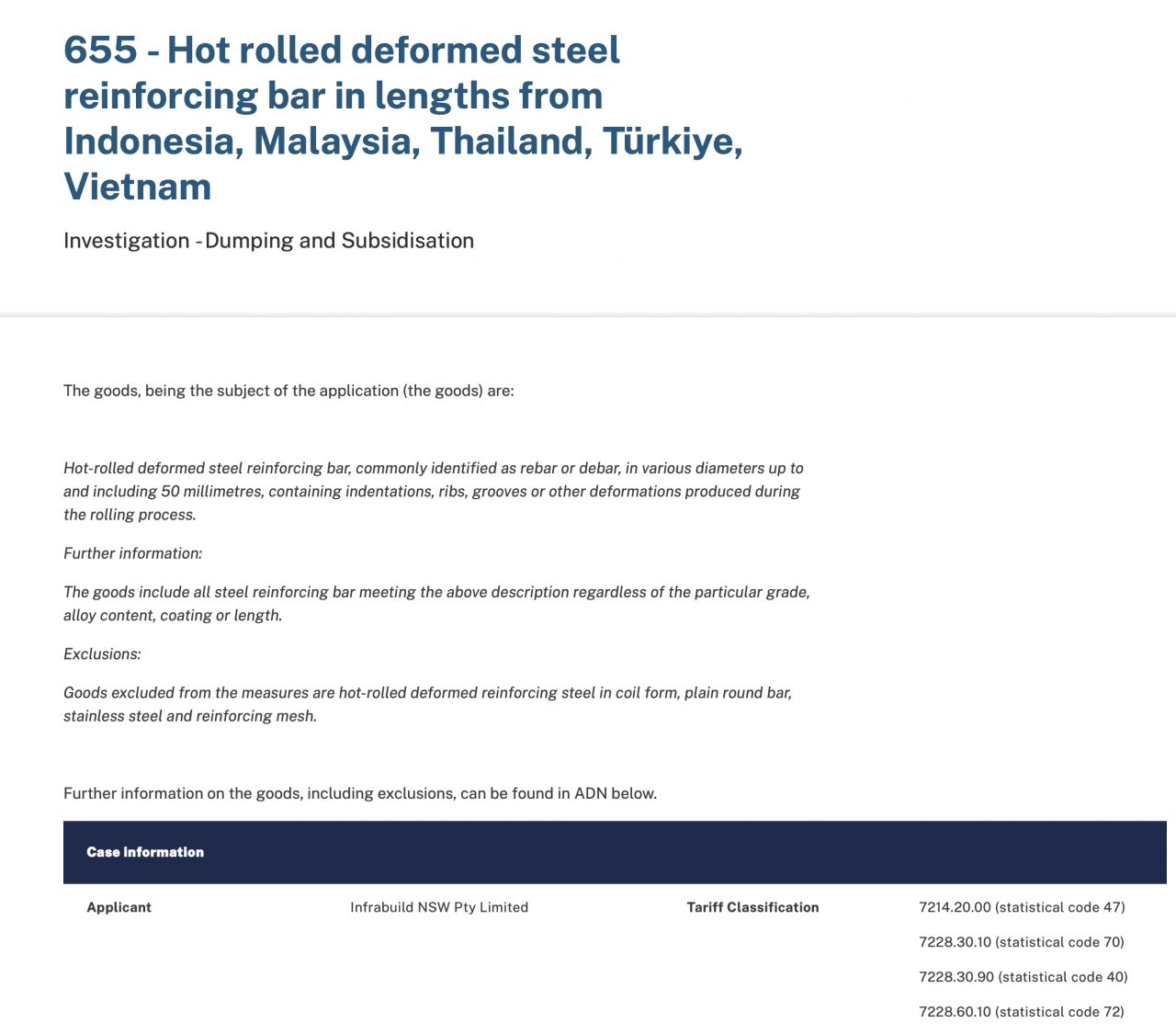
2. The fact INFRABUILD, Australia’s leading steel reinforcing company has launched and ANTI DUMPING Enquiry on steel reinforcing being imported from several South Eastern countries in addition to Turkey. Once again these potential tariffs on imported steel make steel reinforcing than it otherwise would have been at the end of 2023. There has already been Enquiries into steel reinforcing imports from China in 2024, and this more recent development provides more uncertainty surrounding steel reinforcing prices moving forward, as Australia is heavily reliant on imported Reo from overseas.
3. Global shipping costs are expected to remain high next year, with freight rates likely to continue rising due to ongoing challenges in the shipping industry, including US President-elect Donald Trump’s tariff threats and the situation in the Red Sea. These factors are set to see the cost of importing steel into Australia remain relatively high in 2025.
At Building Gear we specialise in the supply of processed bar, stock bar and mesh for projects across Australia. For an up to date quotation on steel reinforcing in 2025 for your building projects and steel reinforcing requirements, please phone 0494393682 or email sales@buildinggear.com.au