Ask any site manager where their program blows out, and reinforcement is rarely far from the list. Bar gets cut wrong, cages get tied on-site in the rain, and a trade that should take two days stretches into five. Steel prefabrication exists to solve exactly that problem — and on Sydney’s tighter, more schedule-driven sites, it’s increasingly the difference between hitting a pour date and chasing one.
This guide covers what steel prefabrication actually involves, why it’s gaining traction across Sydney construction, and how to know if it’s the right call for your next project.
What Is Steel Prefabrication?
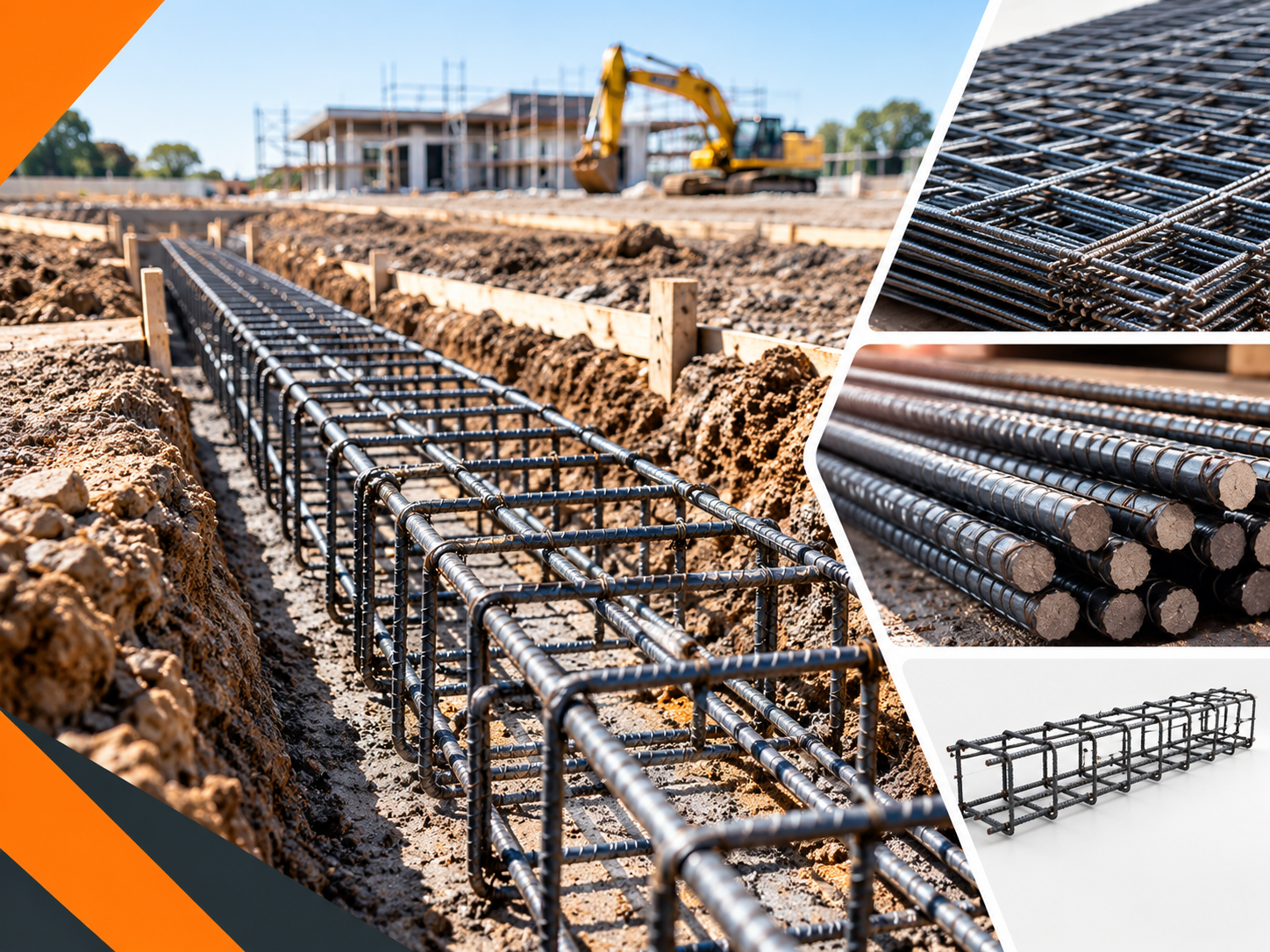
Steel prefabrication means reinforcing steel — cages, mesh, starter bars, columns — is cut, bent, and assembled off-site or in a controlled yard environment, then delivered to site ready for installation. Instead of tying steel by hand in situ, crews lift prefabricated sections into place and fix them.
Common prefabricated elements include:
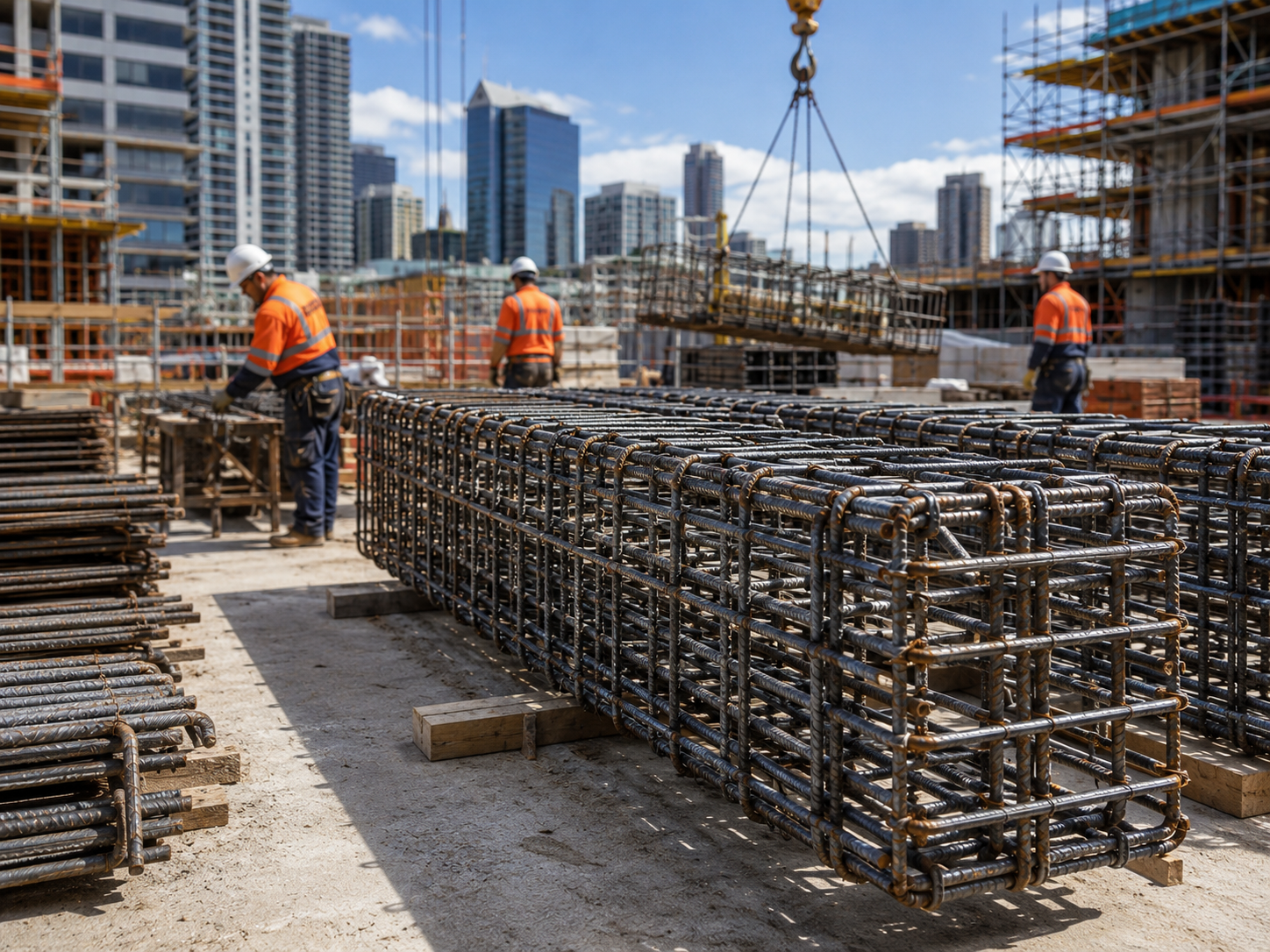
- Reinforcement cages for columns, piers, and footings
- Prefabricated mesh panels for slabs and walls
- Pre-bent starter bars for connections between pours
- Custom-fabricated sections built to project-specific engineering drawings
Why Sydney Builders Are Shifting to Prefabricated Steel
Faster site turnaround
Tying steel on-site is labour-intensive and weather-dependent. Prefabricated cages arrive ready to lift and fix, which can cut days off a reinforcement program — particularly useful on multi-storey or repetitive-element jobs where the same cage design gets used dozens of times.
Trade pricing and bulk discounts
Fabricating in a controlled yard, against engineering drawings, reduces the on-site variability that comes with tying steel under time pressure. Fewer errors on-site means fewer callbacks and rework.
Reduced site labour and congestion
Sydney sites — especially inner-city and infill projects — often have limited laydown space and restricted access. Prefabrication shifts labour-intensive tying work off-site, freeing up space and reducing the number of trades competing for room on a tight footprint.
Better safety outcomes
Manual steel tying on elevated or awkward sections carries real manual handling and fall risk. Lifting a completed cage into place with a crane is generally a safer operation than tying it in situ at height.
Consistent quality control
Because prefabrication happens in a repeatable process, quality checks — bar size, spacing, cover, bend radius — happen before the cage ever reaches site, rather than being caught (or missed) during a site inspection under time pressure.
Is Prefabricated Steel Right for Every Project?
Not always. Prefabrication tends to deliver the biggest wins on:
- Multi-storey residential and commercial builds with repeated column or floor layouts
- Infrastructure and civil projects with standardised elements across long runs
- Sites with restricted access or limited laydown area
- Projects on a tight program, where site labour time is the bottleneck
Smaller, highly irregular, or one-off structures sometimes still make more sense with on-site tying, particularly where designs are still being finalised close to the pour date. A good supplier will tell you honestly which approach suits your project rather than pushing prefabrication as a default.
What to Check Before Choosing a Steel Prefabrication Supplier
- Do they work directly from your engineering drawings, or do they require you to translate specs yourself?
- What’s their typical turnaround from drawing approval to delivery?
- Can they handle both standard and custom-fabricated cages, or only standard sizes?
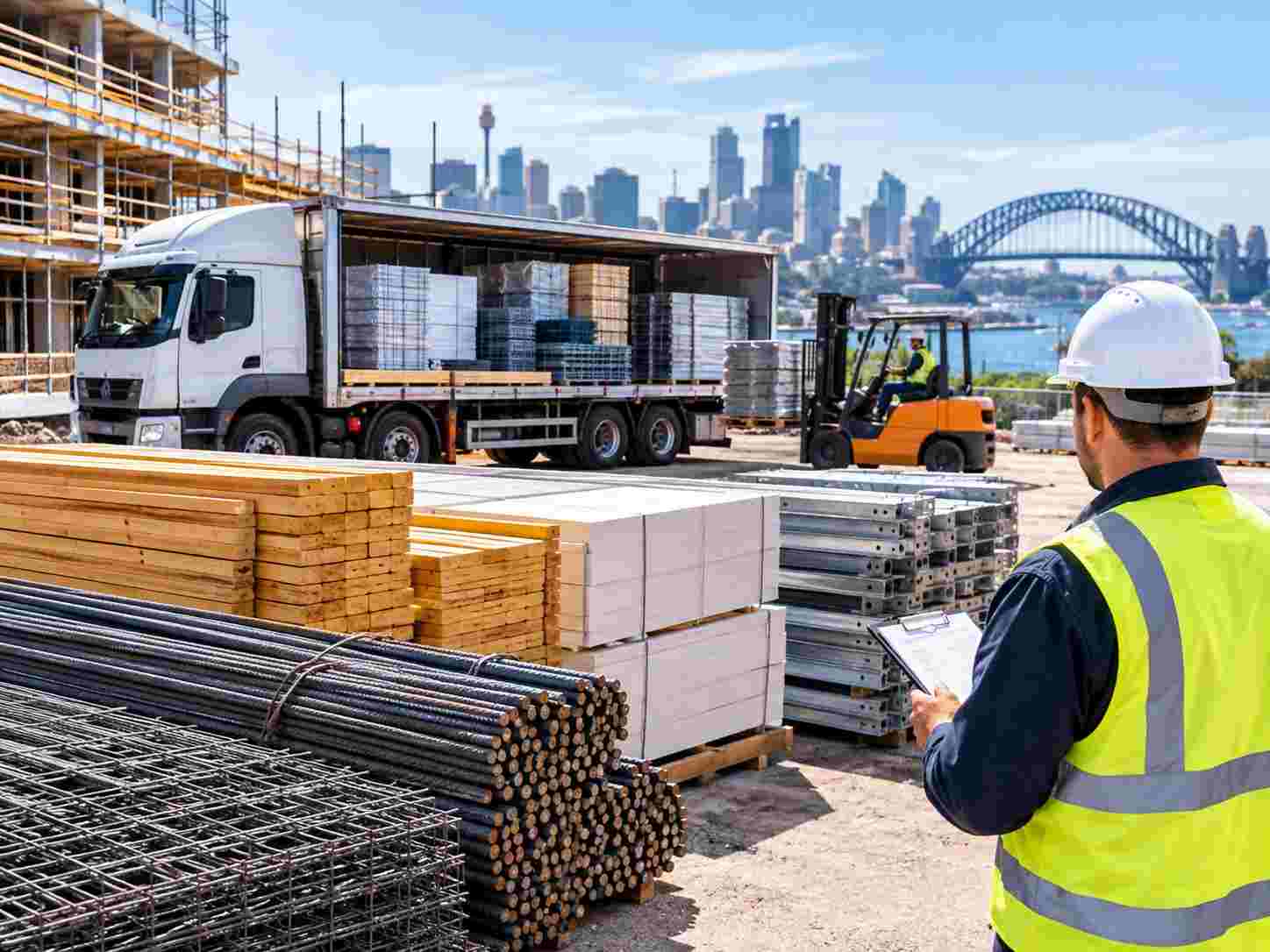
- Do they offer delivery coordinated with your site’s crane and access windows — this matters more than people expect, since a prefabricated cage that arrives before the crane’s booked just becomes a site obstruction.
- What quality checks happen before dispatch — ask specifically about bar size verification and bend tolerance.
Steel Prefabrication with Building Gear
At Building Gear, we fabricate reinforcement cages, mesh, and custom steel sections to engineering spec, working alongside our steel processing services to deliver ready-to-install steel across Sydney and Greater Sydney sites.
Frequently Asked Questions
What's the difference between steel prefabrication and steel processing?
Steel processing generally refers to cutting and bending bar to specification. Prefabrication goes a step further — assembling those cut and bent components into complete, ready-to-install cages or panels before they reach site.
How long does steel prefabrication take?
Turnaround depends on cage complexity, order volume, and current workload — always confirm current lead times directly with your supplier once drawings are finalised, rather than assuming a standard timeframe.
Is prefabricated steel more expensive than on-site tying?
Material and fabrication costs can be comparable or slightly higher, but the labour and time savings on-site — particularly on repetitive or access-restricted jobs — often make prefabrication cheaper overall once the full program is accounted for.
Can prefabricated cages be customised for non-standard designs?
Yes, provided the supplier works from your engineering drawings. Standard cage sizes are faster to produce, but custom fabrication is common for non-typical elements like transfer beams or irregular
Have drawings ready for your next pour? Get a quote from Building Gear’s steel prefabrication team and find out what a prefabricated program could save on your next job.